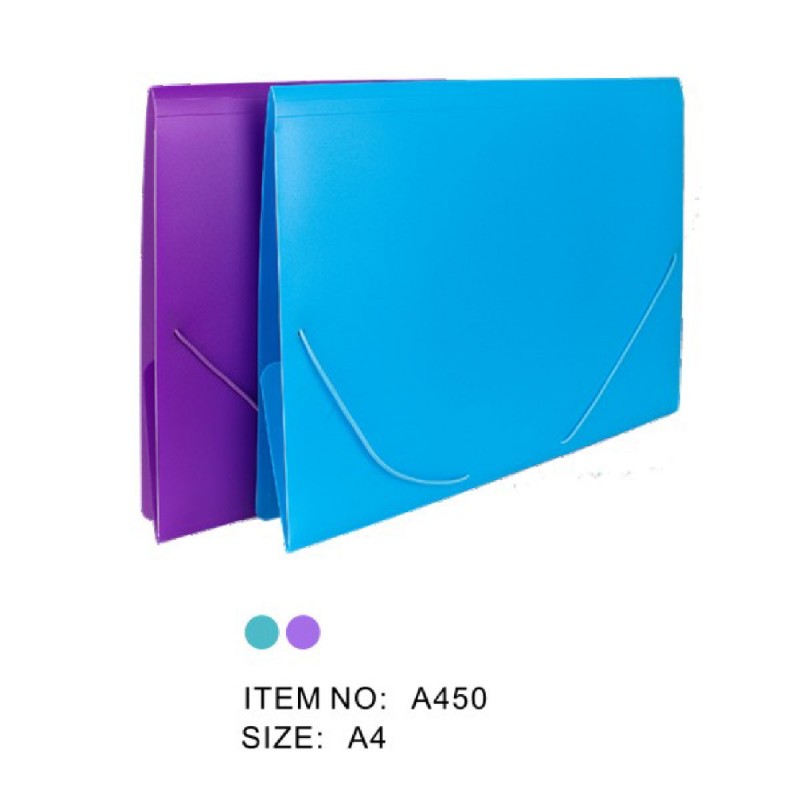
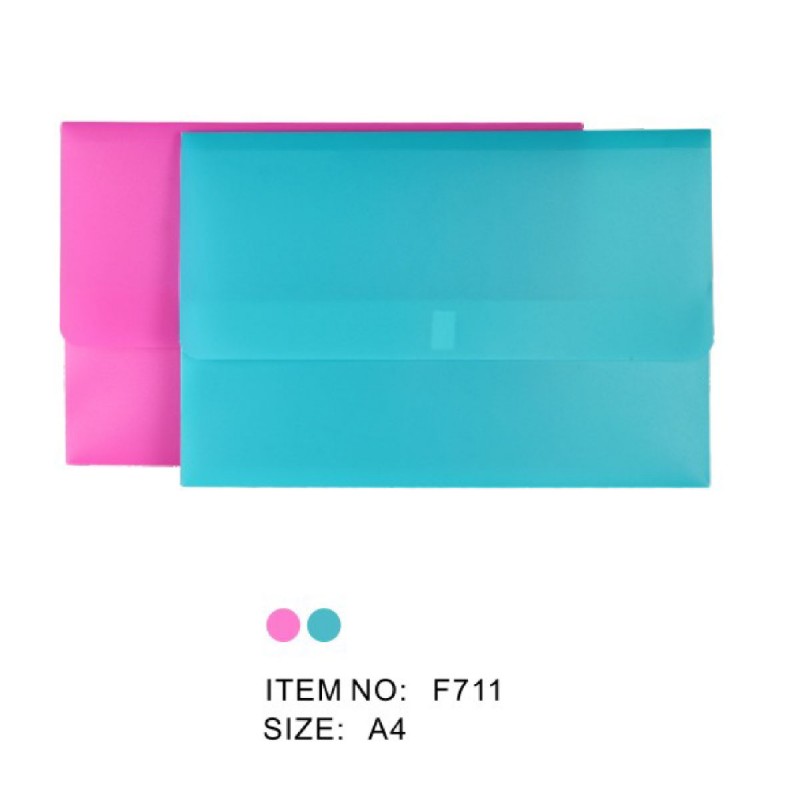
How to identify the quality of PP file bags?
更新时间:2025-11-21人气:74
Spot Quality at a Glance: A Practical Guide to Identifying PP File Bag Quality In office work, study, and daily storage, PP file bags are indispensable tools. Though seemingly simple, they directly relate to the safe storage and long-term preservation of documents. High-quality PP file bags are tough, durable, moisture-proof, and damage-resistant, capable of accompanying documents for years. Inferior products, however, are prone to damage and aging, potentially putting important materials at risk of loss. So, how to quickly and accurately identify the quality of PP file bags? Master the following four core dimensions—"observe, touch, test, and check"—to easily avoid shoddy products and select reliable ones. I. "Observe" the Appearance: Judge Basic Quality from Details Appearance is an intuitive reflection of product quality, and high-quality PP file bags never compromise on details. First, check transparency. High-quality PP file bags are made from new raw materials, offering clear and bright transparency without cloudiness, haze, obvious crystal dots, or white impurity particles. You can clearly read every word of the documents inside. In contrast, inferior products often mix recycled materials or low-quality additives, leading to yellowing, graying, or even visible black spots and impurities with extremely poor transparency. Next, examine thickness uniformity. Hold the file bag against the light—high-quality products have consistent thickness across the bag body, edges, and bottom, with no unevenness. The edges are neatly cut without burrs, rough edges, or irregular gaps. Inferior products may have locally thin areas or rough edges, which are prone to tearing from weak points under stress. Finally, assess structural design. High-quality file bags mostly adopt rounded corner designs—smooth and free of sharp protrusions. This not only avoids scratching hands but also eliminates stress concentration, reducing the risk of damage. Stress-prone areas such as edges and the bottom are thickened, with sufficient material and no sense of shoddy work. Inferior products may have right-angle designs with sharp edges and insufficient thickness at key parts, making them prone to deformation and damage during use. II. "Touch" the Texture: Sense the Nature of the Material Texture directly reflects the quality of PP material, allowing you to quickly screen high-quality products through touch. High-quality PP file bags feel flexible, thick, and elastic. They rebound quickly when pressed, with no sticky or astringent sensation. This texture comes from pure PP raw materials with a regular molecular structure and excellent toughness. Inferior file bags either feel hard and brittle (prone to whitening at creases after a few folds) or excessively thin and soft (lacking support and prone to collapsing when filled with documents). These issues are usually caused by recycled or low-purity raw materials. Additionally, high-quality PP file bags have a smooth, dry surface with no peculiar smell—only a slight inherent plastic odor that dissipates quickly. If a file bag has a strong pungent smell or feels sticky and rough, it is likely mixed with low-quality additives or substandard recycled materials. This not only affects the user experience but may also release harmful substances, endangering health. III. "Test" the Performance: Verify Durability and Load-Bearing Capacity Simple practical tests can most directly inspect the durability and load-bearing capacity of file bags, avoiding "good-looking but useless" products. Folding Test Fold the bag body or edges repeatedly 10-20 times. High-quality products show no whitening or cracking at the creases, maintaining good toughness with no obvious deformation when unfolded. Inferior products, however, may whiten at creases or even break after a few folds due to insufficient material toughness and poor fatigue resistance. Tensile Test Gently pull the bag body and handles. High-quality PP file bags stretch slowly and rebound without obvious deformation, returning to their original shape when released. Even when pulled hard, the handles will not easily tear. Inferior products tend to stretch and lengthen irreversibly, or even tear slightly—especially at the connection between the handle and the bag body, which is prone to breaking. Load-Bearing Test Put 50-100 sheets of A4 paper (about 250-500 grams, a common weight for daily office use) into the file bag. Lift it by the handles and let it stand for 1-3 minutes. High-quality file bags show no obvious deformation, no handle stretching, and no seam cracking, stably bearing the weight. Inferior products may experience handle stretching, seam cracking, or even bag collapse, failing to sustain the load.